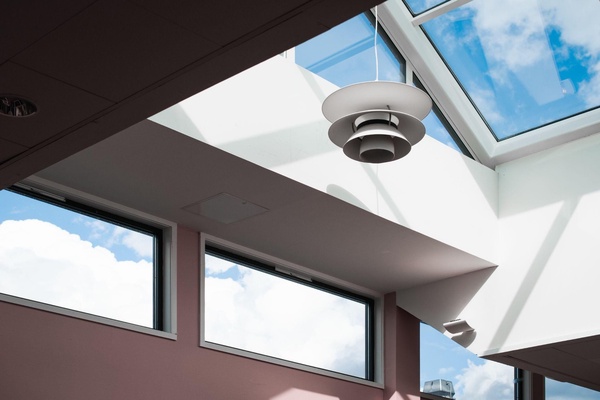
Green building practices are shaping the future of construction. From homes to commercial projects, the demand for designs that save energy and support healthier living is stronger than ever. One feature gaining wide attention is skylights, especially those created with durability, efficiency, and wellness in mind. Sustainable skylights are becoming an essential feature in eco-friendly building practices. They bring in daylight, improve airflow, and cut down on energy use, all while reducing the environmental footprint of a building.
By using skylights strategically, architects and builders meet sustainability goals without sacrificing comfort or style. Homeowners also benefit from lower utility bills and brighter, fresher interiors. The following sections explore seven ways sustainable skylights directly support eco-friendly design and long-term building wellness.
7 Ways Sustainable Skylights Support Eco-Friendly Building Practices
Lower Energy Use Through Natural Lighting
Artificial lighting accounts for a significant portion of a building’s energy use. Installing skylights can considerably reduce this demand. Skylights' natural lighting benefits allow occupants to enjoy well-lit spaces during the day without flipping a switch. Rooms feel brighter, more inviting, and healthier.
Research shows that daylight reduces reliance on overhead fixtures, cutting down on both electricity bills and environmental impact. For commercial buildings, this translates into major annual savings. For homeowners, it means less strain on household budgets. Sustainable skylights maximize daylight in areas where windows alone are not enough, making them one of the simplest strategies for energy conservation in modern construction.
Passive Solar Heating and Cooling
Passive solar skylights play a valuable role in maintaining seasonal comfort. In colder months, they allow sunlight to warm interiors naturally, reducing the need for artificial heating. In warmer months, venting or strategically shaded skylights limit heat gain while still providing daylight.
This passive solar approach reduces heavy reliance on mechanical systems. By allowing the sun to assist with temperature control, sustainable skylights help stabilize indoor climates while lowering energy demand. Proper placement and glazing make the difference: south-facing skylights can maximize winter heat gain, while north-facing installations provide steady, indirect light year-round. With thoughtful design, skylights serve as natural allies in passive heating and cooling strategies.
Improved Indoor Airflow with Venting Skylights
Stale indoor air impacts both comfort and health. Venting skylights for natural ventilation address this problem by allowing hot, polluted air to rise and escape through the roofline. As warm air exits, cooler, fresher air enters through lower windows or doors. This cycle creates a steady flow that improves overall air circulation.
Skylights also reduce humidity in spaces such as kitchens and bathrooms. By lowering moisture, they prevent mold and mildew from taking hold. Better airflow means healthier living conditions without relying heavily on powered fans. Sustainable skylights that vent give buildings a passive method for achieving cleaner air, making them a key tool for natural ventilation strategies.
Reduced Carbon Footprint in Building Operations
Heating, cooling, and lighting systems are among the largest contributors to building emissions. Skylights reduce a structure's carbon footprint by lowering reliance on these systems. Daylight reduces the need for electric lighting, while passive ventilation decreases air conditioning demand.
Sustainable skylights contribute to eco-friendly skylight strategies that directly support carbon reduction goals. Builders aiming for greener projects see skylights as a direct way to shrink operational emissions while still providing comfort. For homeowners and businesses, this means fewer greenhouse gases released into the atmosphere and a measurable impact on sustainability commitments.
LEED and Green Building Certifications
Sustainable skylights play an important role in LEED skylight strategies. Leadership in Energy and Environmental Design (LEED) awards points for natural daylighting, indoor environmental quality, and energy efficiency, which are all areas where skylights make a measurable contribution.
For example, large commercial projects often integrate skylights to meet daylighting credit requirements. Venting designs may also contribute to natural ventilation credits. Combined with energy-efficient glazing, skylights improve performance while supporting certification goals. Many certified buildings showcase skylights as a visible marker of sustainability efforts, signaling commitment to eco-friendly building practices. For both builders and property owners, skylights can be a direct step toward achieving green certifications.
Supporting Biophilic Design and Occupant Wellness
Eco-friendly skylights also support biophilic design, which connects people with nature through light and air. Exposure to daylight improves mood, concentration, and productivity. Venting skylights also bring in fresh air, creating interiors that feel more comfortable and less confined.
Wellness is part of sustainability because healthier, happier occupants use spaces more efficiently and remain more satisfied over time. Workplaces see reduced absenteeism, and homes feel more welcoming. By providing daylight and ventilation, skylights align sustainability with human-centered design. This makes eco-friendly skylights valuable not only for energy goals but also for the overall well-being of occupants.
Long-Term Durability and Sustainable Materials
Durability is often overlooked in sustainable construction. Products that last longer reduce waste, minimize the need for replacements, and lower lifecycle costs. Sustainable skylights designed with solid-state or advanced materials resist leaks, weathering, and deterioration.
This longevity directly supports eco-friendly goals. Fewer replacements mean fewer materials manufactured, transported, and installed over time. Low-maintenance skylights also reduce repair demands, further lowering resource use. By choosing skylights that combine sustainability with durability, builders and homeowners contribute to a construction cycle that produces less waste and supports environmental responsibility over the long term.
Checklist for Sustainable Skylight Integration
Use this checklist to make sure your skylight choices support long-term sustainability and performance:
- Select glazing with low-e coatings to control solar heat gain and loss.
- Position skylights with north or south exposure for balanced daylight
- Include interior or exterior shading systems to prevent overheating in summer.
- Choosing venting skylights for natural ventilation in kitchens, bathrooms, and upper floors.
- Pair skylights with smart sensors to respond to CO₂ or humidity changes.
- Prioritize durable, leak-proof models to reduce replacements and extend lifecycle sustainability.
This checklist helps make sure that your sustainable skylights deliver both environmental benefits and every comfort.
Conclusion
Sustainable skylights support eco-friendly building practices in multiple ways. They reduce energy use through daylight, assist passive heating and cooling, and improve indoor air quality with natural ventilation. They also cut emissions, help projects meet LEED standards, and support occupant wellness through daylight and airflow. Long-lasting skylight designs further reduce waste and make buildings more sustainable over time.
For both residential and commercial projects, skylights combine environmental responsibility with practical comfort. They allow buildings to function efficiently while creating bright, healthy spaces for the people inside.
VTECH Skylights delivers innovative, solid-state skylights designed to last and support eco-friendly building practices. Contact our team today to explore skylight solutions that align with your sustainability goals and help you create brighter, greener buildings.