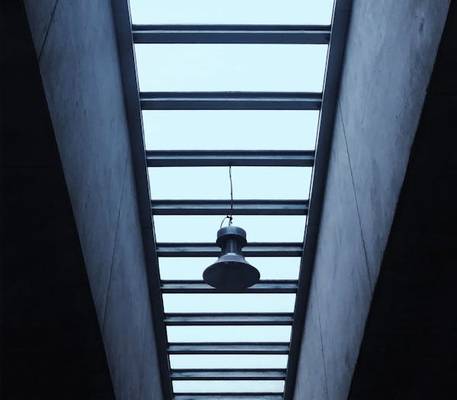
Workplace design is evolving, with a growing emphasis on boosting employee focus, well-being, and performance. One element gaining serious attention is natural light.
Natural light and workplace productivity are closely connected. A journal article concludes that employees in naturally lit environments report 48% fewer cases of eyestrain and are up to 77% less depressed.
That's the reason skylights are becoming an essential design tool. The article explores how natural light impacts mood, energy levels, and cognitive performance. Natural light isn't just a design feature but a powerful productivity tool that smart buildings can't afford to ignore.
The Psychology of Light and Mood
Natural light does more than brighten a room—it brightens minds. Research shows a clear link between daylight exposure and improved mood. Sunlight triggers serotonin production, which supports emotional balance and lowers stress levels.
It also reinforces circadian rhythms, which regulate sleep, alertness, and overall energy levels. People feel more focused and energized during the day when these rhythms stay in sync. Poor lighting, on the other hand, can disrupt sleep patterns and decrease mental clarity.
Lighting directly impacts how people behave, work, and feel. In dim, artificial environments, productivity drops, and stress increases. That's why thoughtful skylight placement for daylight is a wellness strategy. Light shapes everything from mood to motivation, making it one of the most powerful design tools.
Case Studies and Workplace Examples
Some of the world's most successful companies are rethinking how they use natural light.
Tech firms like Google and Apple have redesigned office layouts to maximize daylight penetration. Placing skylights in strategic areas creates open, energized environments that foster creativity and collaboration.
The results speak for themselves. Studies show increased job satisfaction, reduced sick days, and measurable gains in productivity when daylight is prioritized.
Additionally, co-working spaces like WeWork and other shared offices often integrate glass roofs and skylights to create an inviting atmosphere.
These examples show that skylight placement for daylight isn't just about brightness. It's about performance. Working in light-filled spaces makes people more likely to stay focused, engaged, and satisfied.
Natural Light vs. Artificial Light: Productivity Face-Off
Artificial lighting may be convenient, but it can't match the benefits of natural light. Natural daylight offers full-spectrum brightness, which reduces eye strain and improves color perception. It feels softer, more inviting, and more human.
In contrast, artificial light, especially cool-toned fluorescents, can cause fatigue, headaches, and even disrupt sleep cycles. People working long hours under artificial light often report feeling tired or irritable. It's not just psychological; the body responds differently to light sources.
That's why a balanced approach matters. Where full sunlight isn't possible, hybrid systems that simulate daylight can help. But for optimal effect, nothing beats well-designed skylight placement for daylight. It gives workers the natural boost they need without the side effects of artificial glare or harsh shadows.
|
Feature |
Natural Light (Daylight) |
Artificial Light |
|
Source |
Sun: dynamic and ever-changing spectrum |
Artificial: incandescent, fluorescent, and LED bulbs |
|
Circadian Rhythm |
Regulates sleep-wake cycles, promoting alertness during the day and restful sleep at night |
Can disrupt circadian rhythms, especially blue light exposure in the evening, leading to sleep disturbances |
|
Mood & Well-being |
Boosts serotonin production, enhancing mood, reducing stress, and combating seasonal affective disorder (SAD) |
Can contribute to feelings of tiredness, gloominess, and even increase stress hormones with prolonged exposure |
|
Eye Health |
Reduces eye strain, headaches, and blurred vision; promotes overall visual comfort |
Can cause eye strain, discomfort, headaches, and computer vision syndrome, particularly with glare or flickering |
|
Energy Levels |
Increases energy and vitality, leading to greater focus and reduced fatigue |
May lead to decreased energy levels and quicker fatigue, impacting cognitive task performance |
|
Productivity |
Linked to increased productivity (up to 60%), better concentration, and fewer mistakes |
Can maintain productivity in low-light conditions but often lacks the same biological benefits as natural light |
|
Vitamin D Production |
Essential for Vitamin D synthesis, crucial for bone health, and immune function |
Does not contribute to Vitamin D production |
|
Cost |
Free, can significantly reduce energy consumption for lighting |
Incurs electricity costs, which can be a significant operating expense for buildings |
|
Flexibility |
Varies with time of day, weather, and season; limited control over intensity and direction |
Highly controllable in terms of intensity, color temperature, and direction; available 24/7 |
Challenges and Considerations
Designing for daylight isn't always simple. Building orientation, climate, and seasonal sun paths all impact light access.
- North-facing roofs receive more consistent light, while south-facing ones can experience glare or overheating without proper controls.
- Privacy and screen glare are also real concerns. Too much light in the wrong spot in open-plan offices can reflect off monitors or reduce visual comfort.
- Space constraints in urban buildings may limit how many windows or skylights can be installed.
Solutions exist, though.
Light shelves, tinted glass, and motorized shading systems can help balance brightness and control heat. And clever skylight placement for daylight allows designers to direct light exactly where it's needed, without compromising comfort or functionality.
Final Remarks: Skylight Design Is the Key to a Healthier, More Productive Workplace
Skylight design shapes how natural light enters, moves, and transforms a workspace. When done thoughtfully, it enhances productivity, mood, and overall experience.
A skylight's placement, size, and angle can mean the difference between a dull corner and a vibrant, energized workspace. Designers should lean into data-driven approaches that balance performance with comfort.
As we move toward energy-efficient buildings, daylight strategy should be a top priority. When you design with light, you create with purpose.
VTECH Skylights delivers a breakthrough in skylight design—leak-proof, ultra-durable, and stunningly simple to install. Our innovative systems combine strength with elegance, eliminating common failure points.