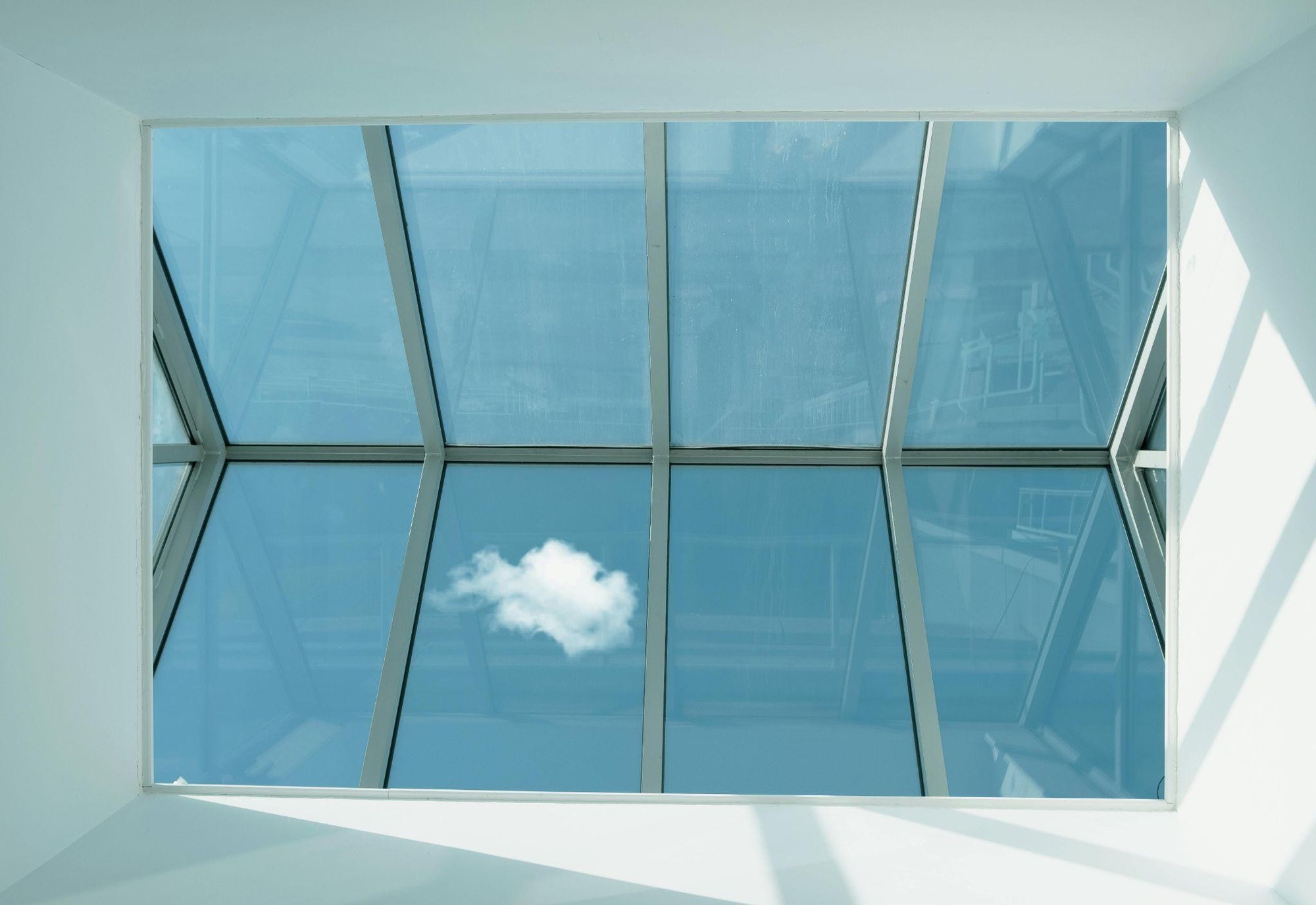
Building owners and architects seek daylighting solutions that last longer, perform better, and reduce ongoing maintenance. Skylights are important in energy efficiency and interior comfort, but not all designs are created equal. The choice often comes down to solid-state skylights vs traditional skylights.
This article explores how these two skylight categories differ in construction, durability, weather resistance, maintenance, energy efficiency, design flexibility, and overall value. By breaking down each factor, you can better understand which option provides long-term performance and fewer headaches for your project.
7 Key Comparisons Between Solid-State Skylights and Traditional Designs
Construction Methods
The way a skylight is built determines its strength and longevity. Solid-state skylights are created using RIM skylight construction (Reaction Injection Molding). This method produces a seamless, one-piece skylight that eliminates weak points like joints and seals. The entire frame and lens are encapsulated into a single, solid design.
Traditional skylights, on the other hand, rely on multiple parts. They often include metal framing, separate glass panels, and several sealants to hold everything in place. While effective initially, these parts can shift or degrade over time. Solid-state skylights offer a manufacturing advantage by using precision molding and strong composite materials that provide long-lasting performance.
Durability and Strength
Durability is a major concern with overhead installations. Solid-state skylights excel here because their seamless construction makes them highly resistant to impacts and stress. They fall under the category of durable skylight designs, built to withstand heavy loads, temperature swings, and even severe weather conditions.
Traditional skylights, with multiple seals and glass units, are more vulnerable to cracking, frame warping, or seal separation. While they may work well when first installed, they often require reinforcement in certain designs or climates. Solid-state skylights offer a higher margin of safety for builders seeking long-term confidence with less risk of failure.
Resistance to Leaks and Weather
One of the most common homeowner concerns is water intrusion. Solid-state skylights solve this problem by eliminating seams, which remove the usual entry points for water. Their fully encapsulated design keeps rain and snow outside where they belong.
Traditional skylights rely on layered flashing, multiple gaskets, and sealants. Over time, UV exposure and weather cycles cause these components to degrade, increasing the likelihood of leaks. These skylight maintenance issues often lead to costly repairs and damage to surrounding materials. By contrast, solid-state skylights' one-piece construction makes them leak-proof under normal installation and use.
Maintenance and Longevity
Solid-state skylights are often described as “outlasting the roof.” Once installed, they require minimal attention. Their solid design means there are no joints or seals to inspect regularly, resulting in decades of reliable performance.
Traditional skylights require far more oversight. Owners must periodically check for gaps in flashing, dried sealants, or condensation around the frame. These regular maintenance steps add to the long-term cost of ownership. When comparing solid-state skylights vs traditional skylights, longevity is a key advantage for solid-state options. They provide peace of mind by reducing maintenance demands to virtually zero.
Energy Performance and Comfort
Energy efficiency is another important factor. Solid-state skylights provide strong thermal insulation, which reduces unwanted heat loss in winter and heat gain in summer. Their construction improves comfort while lowering utility costs. These qualities make them strong candidates for energy-efficient skylights in both residential and commercial projects.
Traditional skylights, particularly older models, can suffer from thermal bridging at frame joints or poor-quality glazing. Even upgraded versions may allow more energy transfer than solid-state designs. For buildings seeking sustainable performance, solid-state skylights deliver superior insulation and more stable interior temperatures.
Aesthetic and Design Flexibility
Architects often want flexibility in layout and size. Solid-state skylights allow for larger spans, creative cluster groupings, and seamless integration into modern rooflines. Their smooth construction supports sleek looks that match both contemporary and traditional design settings. These features align well with expectations for durable skylight designs that perform while looking clean and simple.
Traditional skylights have more limitations. Larger openings require more framing support, which interrupts clean sightlines. Joining multiple units can create bulky structures or uneven light distribution. Solid-state skylights expand design possibilities by removing many of these restrictions.
Value and Warranty
Upfront cost often leads buyers toward traditional skylights. While they may cost less at the time of purchase, they require more frequent upkeep, repair, and eventual replacement. These ongoing expenses add up over the lifetime of the building.
Solid-state skylights provide long-term savings. Their durability and leak-proof design reduce maintenance needs and replacements. All come with a 20-year extended warranty reflecting their expected performance. The difference in overall value is evident when comparing solid-state skylights vs. traditional skylights. Solid-state models may require a higher initial investment but deliver greater returns overall and peace of mind.
Comparison Table: Solid-State Skylights vs Traditional Skylights
|
Feature |
Solid-State Skylights |
Traditional Skylights |
|
Construction |
Seamless, one-piece via RIM skylight technology |
Multi-part, framed with seals and joints |
|
Durability |
Highly impact-resistant; long service life |
Susceptible to cracks, separation, or warping |
|
Leak Resistance |
Encapsulated, leak-proof design |
Dependent on seals and flashing, there is a higher leak risk |
|
Maintenance |
Minimal, designed to outlast the roof |
Regular inspection needed; common skylight maintenance issues |
|
Energy Performance |
Strong insulation; energy-efficient skylights |
Can allow heat loss/gain if not upgraded |
|
Design Flexibility |
Larger spans, seamless clusters |
Limited sizes; framing reinforcements are often required |
|
Value |
Long-term savings, 20-year System Warranty |
Annual Maintenance equals higher lifetime costs |
Conclusion
The differences between solid-state skylights vs traditional skylights are clear across every major factor. Solid-state models excel in durability, leak resistance, energy performance, and long-term savings. Their RIM skylight technology creates a one-piece, seamless product that virtually eliminates common skylight maintenance issues. Traditional designs may appeal to budget-conscious buyers initially, but their higher upkeep and shorter lifespans reduce their long-term value.
For builders, architects, and homeowners seeking reliable daylighting solutions, solid-state skylights offer a stronger investment. They provide durable skylight designs that bring in natural light, improve efficiency, and stand the test of time.
VTECH Skylights specializes in solid-state skylight solutions built for durability, energy performance, and leak-proof construction. Contact our team today to learn how our skylights can deliver long-term value for your next project.