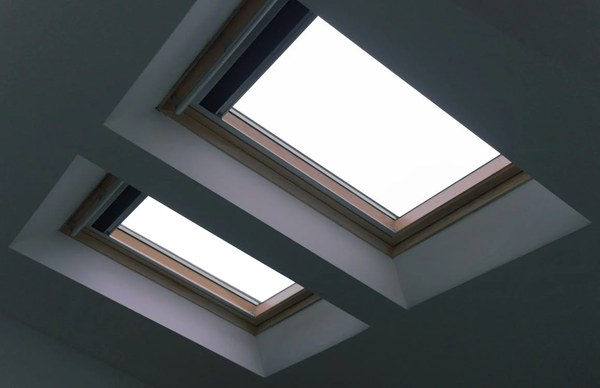
Buildings are evolving fast, focusing on sustainability, comfort, and intelligent integration. Today's rooftops are no longer static. They're becoming responsive and essential to energy-smart design.
Smart skylight building design is leading that transformation. These aren't just windows on the roof. They're automated systems that adjust to real-time light, weather, and occupant needs.
According to industry reports, the smart glass market is expected to exceed $15 billion by 2030, driven by demand for responsive daylighting and climate control.
In our view, skylights aren't optional. They're foundational to the future of building design. This article explores the benefits, features, and future-forward impact of integrating skylights into tomorrow's architecture.
What Is Smart Skylight Technology?
Smart skylights are a game-changing innovation in modern architecture. Unlike traditional fixed skylights, these advanced systems automatically adjust to weather, sunlight, and indoor conditions. Using sensors, timers, or mobile controls, they optimize how light and air enter a space.
These systems can open and close for ventilation, dim light during intense sun, or respond to temperature and humidity changes. This functionality reduces reliance on HVAC systems and artificial lighting, resulting in a more efficient and comfortable indoor environment.
Smart skylight building design is an essential piece of the green construction puzzle. It fits neatly into smart homes and intelligent commercial buildings. Some brands have introduced app-connected skylights that respond to voice commands or weather forecasts.
As technology becomes more integrated into architecture, skylights set new standards for responsive, adaptive building elements.
The Impact on Building Design and Occupant Well-being
Natural light plays a decisive role in how we feel and function. Smart skylight building design enhances daylight harvesting, which means more usable daylight with less energy consumption. These skylights actively manage glare, maximize interior brightness, and reduce the need for artificial lights during the day.
But it's not just about lighting. Skylights also improve indoor air quality by enabling controlled ventilation. This helps reduce carbon dioxide levels and indoor pollutants, which are especially valuable in airtight, energy-efficient buildings. When the air feels fresh, and the light feels natural, mood and concentration improve.
Designers and architects are using smart skylights to pursue green building certifications like LEED and WELL. These systems support biophilic design, connecting occupants with natural elements like sunlight and fresh air. The result is a healthier, more comfortable space that aligns with sustainability goals and enhances user experience.
Smart Skylights in Commercial vs. Residential Spaces
Smart skylight building design is making waves in both residential and commercial settings. In modern homes, skylights create bright, airy living spaces while offering remote control convenience. Homeowners can schedule their skylights to open in the morning for fresh air and close automatically during heat waves or storms.
Skylights play a different role in commercial buildings, including offices, schools, and retail spaces. They reduce overhead lighting costs, improve employee well-being, and support flexible zoning. Zones can be adjusted based on room usage, time of day, or occupancy. Automated shades prevent screens' glare while letting in enough daylight for comfort and clarity.
The beauty of skylights lies in their adaptability. Whether you're designing a single-family home or a high-rise tower, these systems offer scalable advantages. From enhancing property value to improving building performance, skylights prove that good design can be practical and beautiful.
|
Feature/Category
|
Commercial Spaces |
Residential Spaces
|
|
Primary Purpose |
Energy efficiency, employee well-being, and daylight harvesting |
Comfort, ventilation, and natural light access |
|
Usage Patterns |
Zoned by function (e.g., offices, meeting rooms, lobbies) |
Whole-home use (e.g., kitchens, bathrooms, attics, living rooms) |
|
Control Systems |
Integrated with Building Management Systems (BMS) |
App-controlled, voice-activated, or remote timers |
|
Automation Needs |
Advanced features for shading, light sensors, and seasonal presets |
Basic automation for ventilation, daylight control |
|
Design Complexity |
Requires precise coordination with HVAC, lighting, and fire safety |
Simple to moderate; focused on comfort and aesthetics |
|
Energy Impact |
Reduces lighting and HVAC loads significantly |
Lowers cooling/heating costs, increases daylight usage |
Challenges to Adoption and What Lies Ahead
Adopting a smart skylight building design comes with a few hurdles. Upfront costs can be higher than traditional skylights, especially when adding automation and connectivity. Older buildings may require structural updates or electrical work for integration.
Still, innovation is pushing these barriers aside.
Solar-powered skylights reduce wiring needs and make installation easier. Some models even use AI to learn occupant habits, adjusting settings to match comfort patterns over time. The more these technologies evolve, the more accessible and cost-effective they become.
One promising trend is integrating skylights with building management systems (BMS). This means skylights work in sync with HVAC, lighting, and shading systems for maximum efficiency. The result is a unified building that responds to environmental conditions intelligently and optimizes performance without user input.
Looking Ahead: Smart Skylight Design as a Blueprint for the Future
Skylight design has entered a new era driven by intelligence, efficiency, and human-centered goals. What was once a passive feature is now a powerful tool for energy savings, comfort, and control. Smart skylights prove that building innovation doesn't have to be complicated. It just needs to be intentional.
Smart skylight building design is no longer futuristic, it's here and working. Automated systems that respond to light, weather, and indoor conditions are reshaping how we think about smart spaces. Adopting this technology is necessary for sustainable, resilient architecture.
The message for forward-thinking developers and architects is clear: design smarter now and future-proof your buildings for decades.
VTECH Skylights leads the way in advanced skylight design with products that are as tough as they are brilliant. Our leak-proof skylights deliver durability and simplicity in one seamless system. Built for harsh environments and smart integrations, VTECH offers skylights ready for the future of building design.