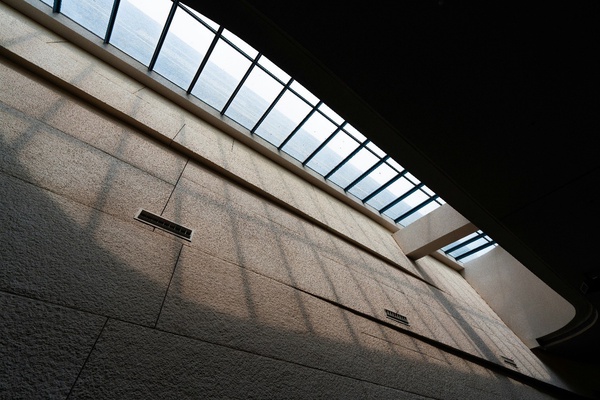
It had been raining for days when the crew arrived to start the skylight installation on a new commercial building. The design promised bright, open interiors, but the weather had already caused delays.
For architects and contractors, this is a familiar challenge. According to the IPCC’s 2021 Sixth Assessment Report, human-caused greenhouse gas emissions have increased the frequency and intensity of extreme weather, making even well-planned projects more complex.
Skylights add value by improving natural light and energy efficiency. But installing them during storms, heatwaves, or heavy snow is far from straightforward. Knowing the main skylight challenges in extreme weather can help teams plan better and choose solutions that are both safe and long-lasting.
Challenges of Skylight Installation in Extreme Weather
Installing skylights in harsh conditions comes with multiple obstacles. Understanding these challenges can help teams plan, select the right materials, and implement safer, more efficient processes.
Heavy Rain and Water Intrusion
Heavy rain is one of the most common skylight challenges during installation and replacement. Even a short storm can cause water to seep into partially installed units, risking interior damage and compromising long-term performance.
Wet surfaces also create safety hazards for installation crews, slowing work and increasing the likelihood of misalignment or accidental damage. On commercial and institutional projects, delays caused by rain can affect multiple trades, extending overall timelines and raising costs. Effective planning is essential to reduce these risks.
Key strategies to mitigate rain-related risks:
- Select skylight systems with tested, durable sealing mechanisms to prevent leaks.
- Use temporary coverings or water-resistant barriers over partially installed sections.
- Train crews on safe handling of panels in wet conditions.
- Stage materials on dry, elevated surfaces when possible.
- Monitor weather forecasts and adjust installation schedules proactively.
Proper preparation ensures that skylight installation continues safely and maintains long-term integrity, even during adverse weather.
High Winds and Uplift Forces
High winds are a major challenge during skylight installation. Strong gusts make lifting and positioning large panels dangerous, especially on tall or exposed rooftops. Even after installation, partially secured skylights are vulnerable to uplift forces, which can compromise frames or glazing and lead to long-term performance issues.
Work under these conditions requires extra caution, slower progress, and careful coordination to protect both crews and materials. Unexpected gusts can also damage nearby equipment or tools, creating additional hazards.
Strategies to address wind-related risks:
- Use skylight systems engineered to resist high uplift forces.
- Monitor weather forecasts closely and postpone work during strong winds.
- Employ cranes, hoists, or lifting equipment designed for stability in gusty conditions.
- Secure all materials, panels, and tools to prevent them from becoming hazards.
- Train crews on wind-specific safety measures and emergency procedures.
Planning for wind challenges ensures safer installation, protects materials, and maintains the long-term durability of the skylights.
Snow and Ice Loads
Snow and ice present significant physical and technical challenges during skylight installation. Accumulated snow adds weight to roofs, putting extra stress on frames and glazing. Ice and frost make surfaces slippery, increasing the risk of accidents for installation crews.
Cold temperatures can make materials brittle, creating a higher chance of cracking or chipping when handling panels. These factors often slow work and can extend project timelines, particularly on commercial or institutional buildings where schedules are tight.
Strategies to address snow and ice risks:
- Use skylight systems designed and rated for local snow load requirements.
- Follow strict safety protocols for working on icy or slippery surfaces.
- Plan for thermal expansion and contraction when fitting seals and fasteners.
- Stage materials in secure, clear areas to avoid slips and accidental damage.
- Monitor weather forecasts and schedule installation windows when conditions are safer.
Addressing snow and ice challenges proactively ensures safer installation, maintains material integrity, and reduces costly delays.
Extreme Heat and UV Exposure
High temperatures and intense sunlight create challenges that are easy to overlook during skylight installation. Heat causes frames and glazing to expand, which can make precise alignment difficult and place stress on seals and fasteners.
Prolonged UV exposure can degrade coatings and weaken sealants, reducing the long-term durability of the skylight. Hot roof surfaces also increase safety risks for crews, making fatigue, burns, or dehydration more likely. These factors can slow progress and affect installation quality if not addressed proactively.
Strategies to address heat and UV risks:
- Schedule installation during cooler hours to minimize thermal stress.
- Use UV-resistant materials and coatings to protect frames and glazing.
- Provide protective equipment and hydration for installation crews.
- Monitor material temperatures before handling to prevent warping or damage.
- Plan for thermal expansion when fitting and securing panels.
Proper preparation ensures installation safety, protects materials, and maintains the skylight’s long-term performance even in extreme heat conditions.
Flying Debris and Safety Hazards
Flying debris is a serious concern during skylight installation, particularly in areas prone to strong winds, storms, or hurricanes. Even small objects can damage glazing or frames if they strike before the skylight is fully secured.
For installation crews, loose debris increases safety risks, as materials can shift unexpectedly or become projectiles in gusty conditions. These hazards can slow work, create stress for teams, and increase the likelihood of accidents or rework.
Strategies to address debris and safety risks:
- Stage materials securely and use temporary protective covers for partially installed skylights.
- Select impact-resistant glazing and durable frame materials.
- Ensure rooftops are clear of loose equipment or tools that could be carried by wind.
- Train crews on proper safety protocols for handling debris hazards.
- Monitor weather conditions closely and postpone work if debris risk is high.
Anticipating debris-related hazards ensures safer installation, protects materials, and preserves the long-term performance of the skylight system.
Secure Your Skylight Installation with VTECH
Extreme weather doesn’t have to mean installation setbacks or long-term performance issues. VTECH skylights are a truly leak-proof solution that combines innovation, strength, and simplicity. Backed by a 20-year full system warranty and patented designs, these skylights are engineered to withstand even the toughest conditions.
Whether you’re planning a new project or replacing an existing system, VTECH ensures your skylight installation delivers lasting reliability, safety, and aesthetic appeal.
Contact VTECH Skylights today to discuss custom skylight solutions designed for extreme weather. Protect your building, your timeline, and your investment with skylights built to last decades.