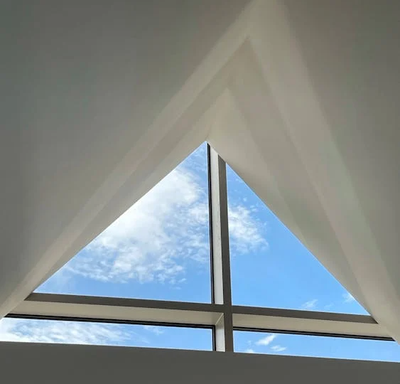
Natural daylight is becoming a top priority in modern building design. Studies show that buildings with optimized daylighting can cut lighting energy use between 50% and 80%.
Skylights have become strategic tools for pulling light deep into interior spaces where windows fall short. Skylight placement and natural daylight decisions impact everything from energy performance to occupant mood.
That's why daylight optimization skylight design matters now more than ever. But the best skylight placement for daylight isn't a guess. It's a calculated move that blends design with data.
In this article, we'll explore the key factors influencing skylight performance, from psychology and productivity to energy and architectural planning.
Understanding Natural Daylight Dynamics
Natural daylight is a dynamic resource. It changes constantly depending on the time of day, the building's location, and even the season. Smart architecture takes this variability into account to guide effective skylight placement.
Sunlight enters a building at different angles throughout the day. Morning light is cooler and more directional. The afternoon sun can be harsh and high, casting sharp shadows. These solar angles determine how light will spread across interior spaces and where skylights should be placed.
Daylight zones—areas within a room that naturally receive sunlight—are helpful. Deeper interiors typically need more support from skylights to maintain even lighting. Well-diffused light improves mood, boosts focus, and reduces reliance on artificial sources. Daylight isn't just ambient; it's measurable, controllable, and essential for designing high-performing, occupant-friendly spaces.
Factors That Influence Skylight Placement
There's no one-size-fits-all formula for skylight placement. A building's orientation has a significant impact. North-facing roofs offer more consistent light, while south-facing ones might deliver stronger sunlight that requires glare control. East- and west-facing roofs bring directional light that changes rapidly throughout the day.
Other considerations include ceiling height, room function, and roof slope. A high-ceilinged warehouse might benefit from clustered skylights, while an office space may need smaller units positioned to reduce screen glare. In colder, cloudier regions, maximizing light penetration is key. In hot, sunny climates, glare reduction and thermal control matter more.
Ignoring these variables can lead to poor outcomes, including overlit areas, glare issues, and uneven daylight distribution. Worse, it wastes the energy-saving potential of natural light.
Remember, good skylight placement is intentional, calculated, and tailored to the environment it's serving.
Design Strategies for Daylight Optimization
Great daylight design starts with innovative skylight placement strategies.
- ● Central skylights work well for deep, open-plan spaces. Perimeter skylights, by contrast, help illuminate smaller or enclosed rooms. Grouping skylights in clusters can enhance spread and minimize contrast in both cases.
- ● Depth also matters. The shaft that channels light from the roof to the interior can be adjusted for softness or focus. Shallow shafts diffuse light broadly. Deeper shafts direct it, creating visual drama or highlighting specific zones. Modern architects use daylight modeling software to simulate these effects and refine placement before construction begins.
- ● Add-on features like integrated shades and dynamic glazing give users more control. These systems automatically adjust to sunlight intensity, reducing glare and heat gain. It's about letting in the right light, at the right time, in the right way.
Balancing Functionality and Aesthetic Appeal
Skylight placement is all about visual harmony. Skylights add beauty, depth, and movement to ceilings. Natural light creates patterns that shift throughout the day, bringing architecture to life in subtle, powerful ways.
Designers can play with shape, size, and framing to influence how light enters and interacts with the space. Round skylights soften the light. Long, narrow ones cast elegant lines. Framing materials and finishes can enhance the interior design or echo exterior elements for cohesion.
The best skylight designs do more than look good. They elevate a space both visually and functionally. By balancing art and utility, architects create environments that feel better and work smarter.
Factor |
Description |
|
Building Orientation |
The direction the building faces significantly impacts sun exposure throughout the day.
|
|
Room Function & Occupancy |
Consider the purpose of the room.
|
|
Desired Light Levels |
Determine how much light is needed.
|
|
Heat Gain & Loss |
Skylights can be glazing or shading type ● Climate, glazing type (e.g., low-e coatings, double or triple glazing) ● Shading options (e.g., blinds, dynamic glass) |
Skylight Design Deserves a Front-Row Seat in Modern Architecture
Thoughtful skylight design enhances daily life by shaping how people experience a space, bringing comfort, clarity, and a deeper connection to the world outside.
When done right, it enhances well-being, boosts productivity, and reduces energy consumption. It turns ordinary spaces into high-performance environments.
The best skylight solutions are planned with purpose. Thoughtful placement ensures maximum daylight impact while minimizing glare, heat gain, or discomfort. Designers should embrace this human-centered approach and lean into data-driven tools that guide smarter decisions.
VTECH Skylights delivers cutting-edge skylight design that blends strength, simplicity, and innovation. Their leak-proof systems are engineered to withstand harsh conditions while remaining visually clean and easy to install. For builders who demand performance and peace of mind, VTECH sets a new standard in daylighting solutions. Contact us today to learn more.