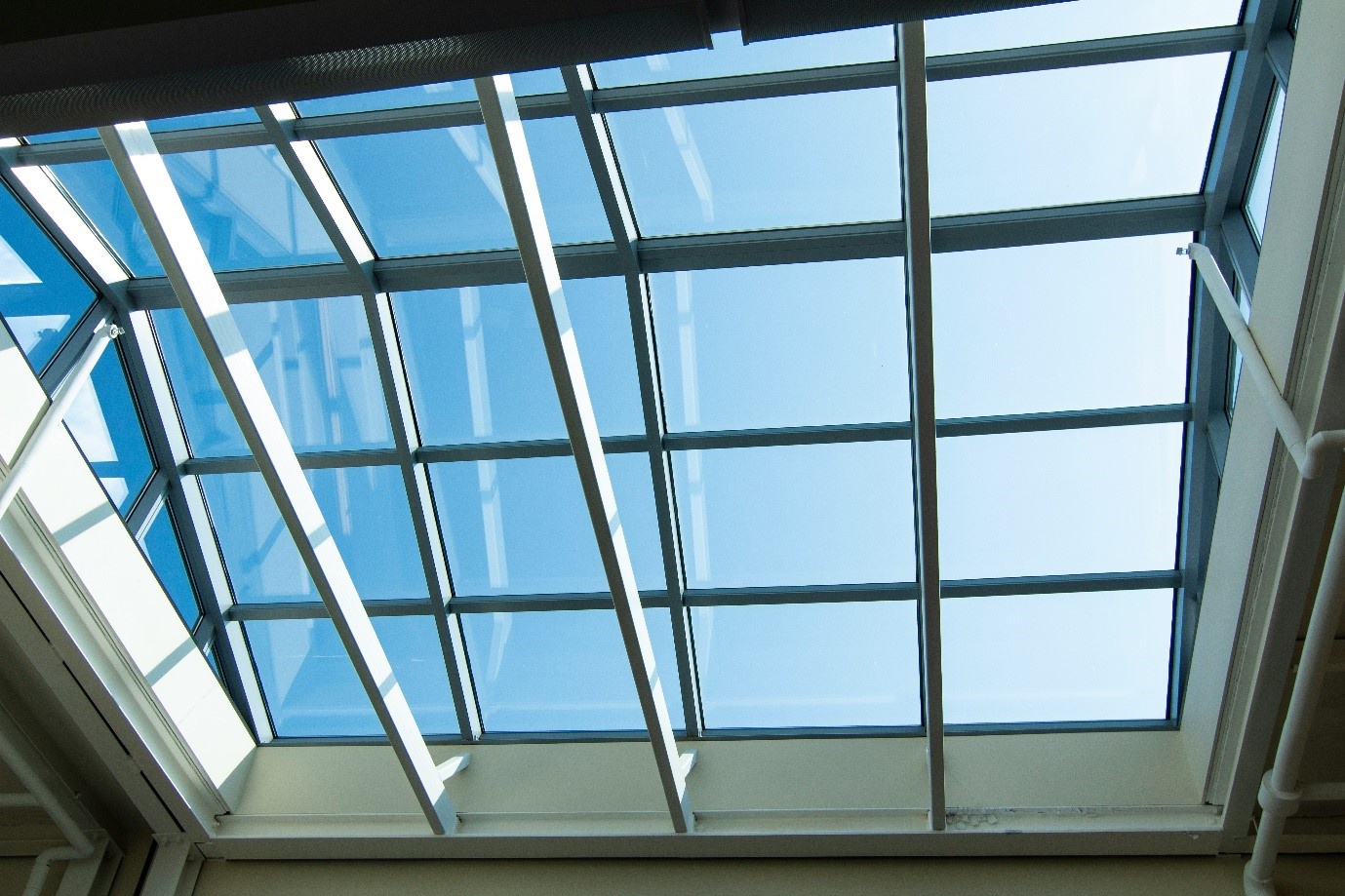
Bringing natural light into a building is no longer just about looks — it’s about performance. From lowering energy bills to creating healthier, more productive work environments, skylights play a bigger role in commercial spaces than many realize.
In fact, research shows that smart daylighting can cut lighting energy use in offices by as much as 80%. If you’re planning a commercial skylight installation, the key is finding a solution that fits your building’s design while also supporting long-term efficiency and sustainability goals.
Market Trends in Commercial Skylights
The role of skylights in commercial buildings is evolving quickly. What was once considered an aesthetic upgrade is now viewed as a strategic investment.
Key trends shaping the market include:
- Steady growth – The global skylight market is projected to grow at a CAGR of more than 6% in the coming years.
- Energy efficiency focus – Businesses are turning to skylights to reduce reliance on artificial lighting and meet stricter energy codes.
- Green certifications – Features like skylights contribute to LEED and other sustainability standards, boosting property value and tenant appeal.
For building owners, commercial skylight installation offers more than just natural light. It can reduce operating costs, support sustainability initiatives, and create healthier indoor environments. Meanwhile, commercial skylight replacement has become a smart option for properties with aging systems, allowing upgrades to modern, energy-efficient models without major renovations.
Key Factors to Consider Before Installation
Selecting the right skylight involves more than choosing a design. It requires balancing performance, efficiency, and long-term value. Decision-makers should evaluate the following factors:
- Building design and layout – The roof structure, ceiling height, and room orientation determine how effectively natural light will spread throughout the space.
- Energy efficiency – Modern skylights come with advanced glazing and insulation features that reduce heat gain in summer and heat loss in winter.
- Durability of materials – Glass and polycarbonate each offer different benefits in terms of strength, clarity, and weather resistance.
- Maintenance requirements – Access for cleaning and servicing should be factored in early to avoid costly upkeep later.
- Return on investment – Beyond upfront costs, consider potential savings on energy bills, improved employee productivity, and higher property value.
By weighing these elements carefully, businesses can ensure their skylight investment delivers lasting benefits.
Top Benefits of Skylights in Commercial Buildings
When chosen and installed correctly, skylights deliver value well beyond aesthetics. They directly support operational efficiency, occupant well-being, and long-term business goals.
|
Benefit |
Impact on Business |
|
Lower energy costs |
Daylighting can cut lighting expenses by up to 60% and reduce HVAC loads. |
|
Improved employee productivity |
Natural light exposure has been shown to increase performance by 15–20%. |
|
Healthier indoor environments |
Supports circadian rhythms, improves mood, and reduces absenteeism. |
|
Enhanced property value |
Energy-efficient buildings attract tenants and investors, boosting long-term value. |
|
Stronger brand image |
Demonstrates commitment to sustainability, improving reputation with clients and stakeholders. |
Choosing the Right Skylight for Your Building’s Needs
Skylight selection is not just about allowing more daylight into a space. It requires careful alignment with the building’s function, design, and long-term performance objectives. The wrong choice can lead to issues such as heat gain, glare, or unnecessary maintenance costs, while the right solution can deliver measurable improvements in energy efficiency, occupant well-being, and property value.
1. Assess the Building’s Function
- Office environments benefit from skylights that support productivity through glare control and consistent lighting. Advanced glazing and fixed skylights are often the best fit.
- Retail properties rely on customer experience, so large-format skylights that create inviting, well-lit spaces help drive engagement and sales.
- Healthcare facilities need daylight combined with ventilation to support recovery and wellness, making ventilated skylights ideal.
- Educational institutions benefit from tubular or fixed skylights that distribute light evenly in classrooms, reducing energy use while improving concentration.
- Industrial spaces and warehouses require durable skylights built to withstand weather and provide wide light coverage without compromising safety.
2. Evaluate Structural Considerations
- Roof slope, orientation, and load-bearing capacity determine which skylight types are feasible.
- Tubular systems may suit buildings with limited roof access, while custom skylights can address complex architectural designs.
3. Balance Energy Goals with ROI
- High-performance glazing reduces heat transfer, lowering HVAC costs.
- A professional commercial skylight installation ensures proper sealing, insulation, and compliance with energy codes, all of which affect long-term ROI.
4. Factor in Maintenance and Lifecycle
- Choose skylights with coatings that resist dirt and condensation.
- Consider accessibility for cleaning and inspection, especially in larger facilities.
5. Align with Sustainability Targets
- Skylights can contribute toward LEED points and other certifications.
- They demonstrate a commitment to sustainable building practices, which is increasingly important to tenants, investors, and corporate stakeholders.
The right skylight is the one that fits the building’s purpose, enhances performance, and aligns with financial and sustainability goals. By evaluating function, structure, ROI, and lifecycle, businesses can ensure their skylight investment pays off for years to come.
Working With the Right Skylight Partner
Even the best skylight design will only perform as intended if it is installed and maintained properly. That’s why choosing the right partner is as important as selecting the skylight itself.
What to look for in a trusted provider:
- Proven experience – A track record of successful commercial, industrial, or institutional projects.
- Technical expertise – Knowledge of energy codes, safety standards, and structural integration.
- Customization capabilities – Ability to adapt skylight solutions to unique roof designs, layouts, and performance requirements.
- Quality assurance – Strong warranties, certifications, and compliance with industry standards.
- Ongoing support – Services for inspection, maintenance, and eventual replacement to protect your investment.
By working with the right partner, businesses can ensure their skylight investment delivers long-term value, safety, and performance.
Why VTECH Is the Leader in Commercial Skylight Installation
Choosing the right skylight means investing in safety, efficiency, and long-term performance. VTECH commercial skylights are engineered to exceed expectations, with glazing options tested for fall protection, hurricane resistance, and ballistic strength. Our RIM design provides decades of durability against weather and heavy use, while custom structural adapters ensure a perfect fit with any building system.
Ready to take the next step? Connect with VTECH today to explore skylight solutions designed for commercial, industrial, and institutional projects. Our experts will help you find the right fit for your building’s needs. Contact us for a quote today!